Cruelty-free means a commitment against animal testing. A useful policy covers ingredients, suppliers and outside labs as well as the finished product.
When choosing cruelty-free cosmetics and skincare, check the testing policy first. Then check for animal-derived ingredients if you also want a vegan product.
The words on a bottle are not enough
The FDA says cruelty-free and not tested on animals have no legal definitions for US cosmetic labels. A company may use those words for finished products while leaving ingredient tests outside the promise.
A strong policy covers:
- Ingredients and finished products.
- The suppliers that make or source the formula.
- Outside labs and tests the brand pays others to run.
- Tests requested by authorities wherever it sells.
An exception for tests required by law is still an exception. Supporting better test methods does not remove it from today's policy.
Cruelty-free and vegan are different
Cruelty-free products can contain beeswax, honey or lanolin. Vegan formulas exclude animal ingredients, but that claim alone does not explain every aspect of a brand's testing policy.
Badger Sport SPF 40 makes the distinction clear. Badger has Leaping Bunny approval; this sunscreen contains beeswax. It meets the testing standard but is not vegan. Choose another formula when both claims matter.
Some standards combine the two. Vegan Action's Certified Vegan program also restricts animal testing.
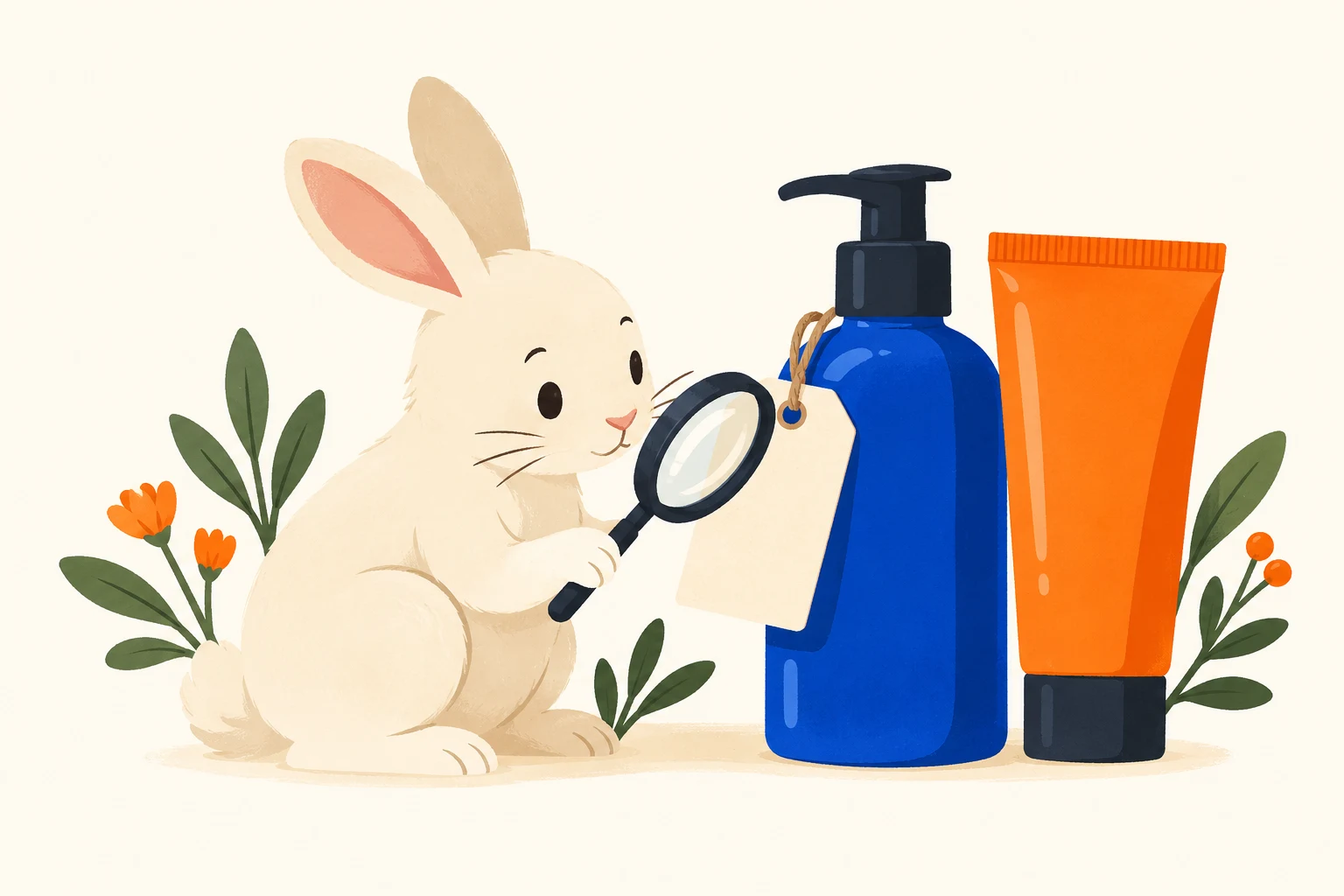
Look up the brand behind the rabbit
PETA's cruelty-free list requires a commitment covering ingredients, suppliers and finished products. Leaping Bunny certifies cruelty-free brands against its own published standard. Our certification guide compares their supplier checks and audit rules.
You may know PETA's Beauty Without Bunnies name from older guides. Its website now calls the directory the Ultimate Cruelty-Free List.
Search for the exact brand name printed on the packaging. A current record gives you evidence to check; an unexplained rabbit or an animal-friendly slogan does not.
A missing listing alone does not prove testing. A brand can publish a detailed policy without joining a program. Judge whether it covers the whole testing chain, including suppliers, rather than counting logos.
China is not a shortcut to the answer
Made in China and sold in China are different facts. Neither phrase alone proves an animal test occurred. Leaping Bunny describes routes for approved brands to sell there while meeting its standard.
Check the actual arrangement. A blanket rule about every product sold in China can give the wrong verdict. Likewise, a ban on new animal tests does not mean no one ever tested an ingredient in the past.
Decide whether ownership matters too
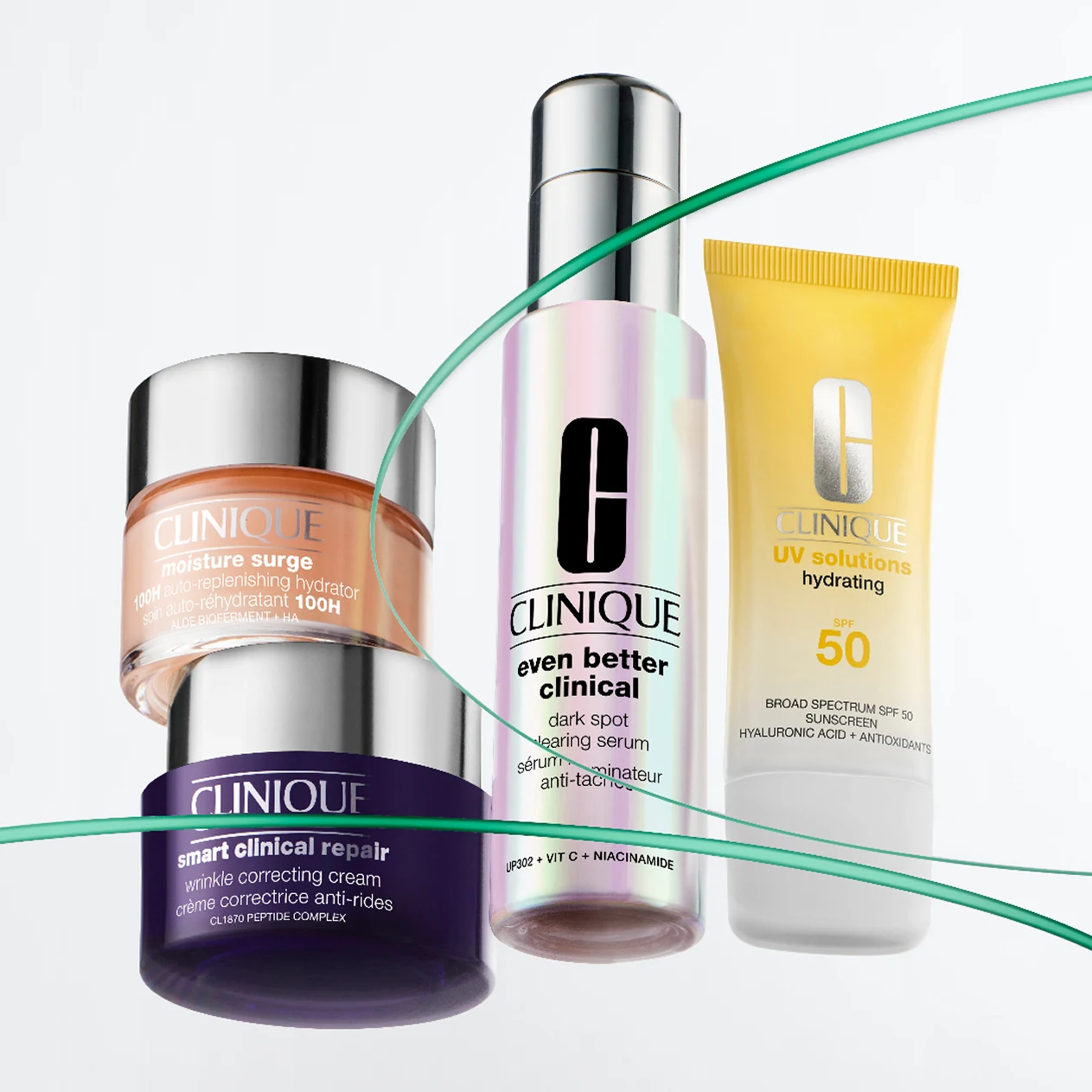
The Ordinary and Clinique share an owner, but their testing records differ. One brand's approval does not cover its parent or sister brands.
You can accept a brand's testing record and still avoid its owner. Use our beauty ownership table for that separate spending decision.
Make one useful purchase
Our cruelty-free brands and buying guides compare specific options for the next product you need. Keep the features you rely on, including sunscreen protection, scent preferences or the purpose of a treatment.
Cruelty-free approval addresses testing, not every possible harm to animals. Match the claim to the concern you are trying to resolve.
Sources
FDA. Cruelty free / Not tested on animals. https://www.fda.gov/cosmetics/cosmetics-labeling-claims/cruelty-freenot-tested-animals. Accessed on October 28, 2026.
PETA. Frequently asked questions. https://crueltyfree.peta.org/faq/. Accessed on October 28, 2026.
Leaping Bunny. Frequently asked questions. https://www.leapingbunny.org/Web/content/faq.aspx?hkey=03da4c1e-eb16-412a-a308-223519502ea0. Accessed on October 28, 2026.
Vegan Action. Consumer information. https://vegan.org/certification/consumer-info. Accessed on October 28, 2026.